Empowering Voices: The Art Of Community Organizing
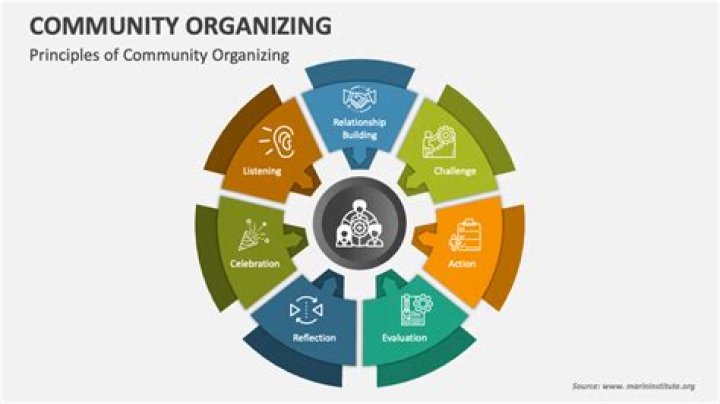
Community organizing is not just a tactic; it is an art form that weaves together the voices of individuals into a powerful tapestry of collective action. In a world where individual concerns can often feel drowned out, community organizing stands as a beacon of hope and solidarity. It is a transformative process that encourages people to come together, identify shared challenges, and mobilize for change. From local neighborhoods to global movements, the essence of community organizing lies in its ability to unite diverse voices toward a common goal.
Through the lens of community organizing, we witness the strength of collaboration and the importance of grassroots initiatives. By fostering connections among individuals, organizing efforts can not only address pressing issues but also empower marginalized communities to reclaim their narratives. This article delves into the multifaceted world of community organizing, exploring its significance, methodologies, and impact on society.
As we navigate the complexities of modern activism, understanding community organizing becomes essential. What drives individuals to become community organizers? How do these efforts manifest in tangible outcomes? And what role does technology play in enhancing these initiatives? Join us as we explore these questions and more, shedding light on the incredible journey of community organizing.
What is Community Organizing?
At its core, community organizing is the process of bringing people together to advocate for change. It involves identifying issues that affect a community, mobilizing members, and developing strategies to address those issues. This process is rooted in the principles of democracy, empowerment, and social justice.
Why is Community Organizing Important?
- Empowerment: It empowers individuals to take control of their circumstances.
- Solidarity: It fosters a sense of unity among diverse groups.
- Change: It drives social, political, and economic change from the grassroots level.
How Does Community Organizing Work?
The process typically involves several key steps:
- Identifying Issues: Recognizing the problems that need addressing.
- Building Relationships: Connecting with community members and stakeholders.
- Developing a Strategy: Crafting a plan to tackle the identified issues.
- Mobilizing Resources: Gathering the necessary support, whether through funding, volunteers, or partnerships.
Who Are Community Organizers?
Community organizers come from diverse backgrounds and experiences. They can be professionals, activists, or everyday citizens who are passionate about making a difference. Their roles often include:
- Facilitating discussions and workshops.
- Connecting individuals to resources.
- Advocating for policy changes.
What Skills Do Community Organizers Need?
Successful community organizers typically possess a variety of skills, including:
- Communication: The ability to articulate ideas clearly and inspire others.
- Leadership: Guiding groups towards a common goal.
- Problem-Solving: Developing innovative solutions to complex issues.
- Empathy: Understanding and addressing the needs of diverse community members.
What Are Some Successful Examples of Community Organizing?
There are numerous inspiring examples of successful community organizing efforts, such as:
- The Civil Rights Movement, which united individuals to fight for racial equality.
- The LGBTQ+ rights movement, advocating for equal rights and recognition.
- Local neighborhood associations that address community issues and improve quality of life.
How Has Technology Changed Community Organizing?
In recent years, technology has played a pivotal role in community organizing. Social media platforms, for example, have enabled organizers to reach broader audiences and mobilize support quickly. Online petitions, crowdfunding, and virtual meetings have revolutionized the way communities engage and advocate for change.
What is the Future of Community Organizing?
The future of community organizing is bright, with an increasing number of individuals recognizing the power of collective action. As societal challenges continue to evolve, so too will the methods and strategies used by community organizers. The integration of technology, coupled with an unwavering commitment to social justice, will ensure that community organizing remains a vital force for change.
Conclusion: Why Should We Care About Community Organizing?
Community organizing is crucial for fostering democratic engagement and social change. By coming together, individuals can amplify their voices and effect meaningful change in their communities. Whether through advocacy, education, or direct action, community organizing empowers individuals to take control of their lives and work towards a more just society. In a world that often feels fragmented, community organizing reminds us of the strength found in unity.
Molly Noblitt: The Shocking Truth Behind Her Incarceration
Unveiling The Life And Career Of Kim So Hyun
Unveiling The Love Life Of Megan Leavey: Who Is She Married To?