Exploring The Diverse Tribes Of Nigeria
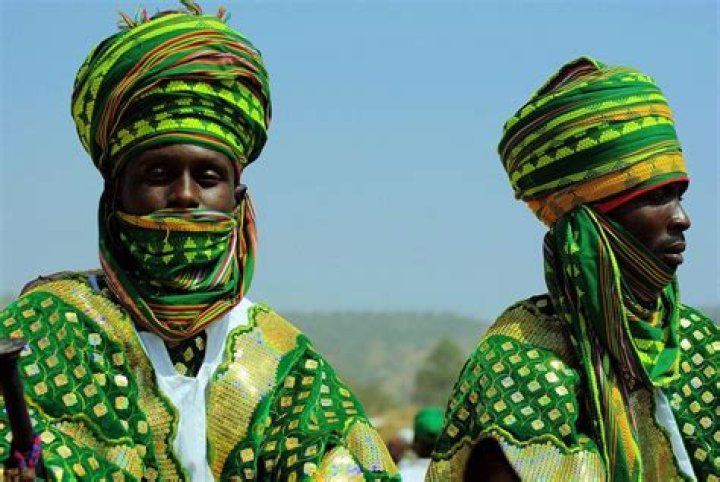
Nigeria, often referred to as the "Giant of Africa," is a nation rich in cultural diversity and ethnic variety. With over 250 distinct tribes, Nigeria is a melting pot of languages, traditions, and histories that shape the identity of its people. Each tribe contributes unique customs, art forms, and social practices that reflect the country's complex heritage. This article aims to delve into the fascinating world of tribes in Nigeria, highlighting their characteristics, beliefs, and the roles they play in the broader context of Nigerian society.
From the bustling cities of Lagos and Abuja to the serene rural areas, the tribes of Nigeria are woven into the fabric of daily life. The major tribes, including the Hausa, Yoruba, and Igbo, dominate the cultural landscape, but countless smaller tribes enrich the nation's heritage. Understanding these tribes is crucial not only for appreciating Nigeria's diversity but also for fostering unity among its people. In this exploration of tribes in Nigeria, we will uncover their histories, traditions, and the challenges they face in a rapidly changing world.
As we journey through Nigeria's tribal landscape, we will also examine the significance of these tribes in contemporary society. How have they adapted to modern influences while preserving their cultural identity? What role do they play in politics, commerce, and social cohesion? By addressing these questions, we can gain a deeper understanding of the tribes of Nigeria and their impact on the nation's future.
What Are the Major Tribes in Nigeria?
Nigeria is home to several major tribes, each with its unique culture and historical background. The three largest tribes are:
- Hausa: Predominantly found in the northern regions, the Hausa are known for their rich history in trade and Islam.
- Yoruba: Located mainly in the southwestern part of Nigeria, the Yoruba are famous for their art, music, and festivals.
- Igbo: Residing mainly in the southeastern region, the Igbo are known for their entrepreneurial spirit and vibrant traditions.
How Do Tribes in Nigeria Influence Culture?
The tribes of Nigeria play a significant role in shaping the country's cultural identity. Their influences can be seen in various aspects of daily life, including:
- Language: Nigeria has over 500 languages, many of which are derived from its tribes.
- Festivals: Each tribe hosts unique festivals that celebrate their heritage and traditions.
- Art and Craft: Traditional art forms, such as beadwork and carving, are integral to many tribes.
- Music and Dance: Cultural expressions through music and dance are vital in tribal gatherings and celebrations.
What Are the Traditional Beliefs of Nigerian Tribes?
Each tribe in Nigeria holds a set of traditional beliefs that guide their way of life. These beliefs often include:
- Spirituality: Many tribes practice indigenous religions alongside Christianity and Islam.
- Ancestors: Respect for ancestors and the belief in their guidance is prevalent among various tribes.
- Community: The sense of community and collective responsibility is a central theme in many tribal cultures.
What Challenges Do Nigerian Tribes Face Today?
Despite their rich heritage, tribes in Nigeria face numerous challenges in the modern world. Some of these challenges include:
- Urbanization: The migration of people from rural areas to cities is leading to a loss of traditional practices.
- Conflicts: Ethnic and religious conflicts often arise, threatening the peace and unity among tribes.
- Globalization: The influence of Western culture can sometimes overshadow traditional values.
How Do Tribal Structures Influence Governance in Nigeria?
The traditional governance structures of Nigerian tribes play a significant role in the political landscape. Many tribes maintain their systems of leadership, which can impact local and national governance. Key influences include:
- Chieftaincy: Traditional rulers often wield considerable influence within their communities.
- Local Governance: Tribal leaders may serve as intermediaries between the government and their people.
- Conflict Resolution: Traditional dispute resolution mechanisms are still relevant in many tribes.
What Is the Future of Tribes in Nigeria?
The future of tribes in Nigeria depends on their ability to adapt to changing circumstances while preserving their cultural uniqueness. Potential pathways include:
- Education: Increasing awareness and education regarding tribal heritage can promote cultural pride.
- Inter-Tribal Cooperation: Encouraging collaboration between tribes can foster unity and strength.
- Policy Support: Advocating for policies that protect tribal rights and cultural practices is essential.
What Unique Practices Are Found Among Different Tribes in Nigeria?
Each tribe in Nigeria boasts unique practices and customs that distinguish them from one another. Some notable examples include:
- Yoruba Festivals: The Osun-Osogbo festival is a significant cultural event celebrated by the Yoruba.
- Igbo New Yam Festival: This festival marks the end of the farming season, celebrating the harvest.
- Hausa Durbar: A colorful festival featuring horse riding, music, and traditional attire.
Conclusion: Embracing the Richness of Tribes in Nigeria
In summary, the tribes of Nigeria embody the nation's rich cultural diversity and historical depth. By understanding and appreciating the unique contributions of each tribe, we can promote unity and respect among Nigeria's diverse population. As the country navigates modern challenges, it is essential to cherish and preserve the traditions and practices that define its tribes, ensuring that they continue to thrive for generations to come.
Discovering Whipitdev Fanflix: Your Ultimate Streaming Experience
TJ Thyme: The Rising Star In The Culinary World
Unveiling The Mystery Of Hannah Owo Tapes