Exploring The Harrowing Story Of Hisashi Ouchi And The Impact Of Body Images
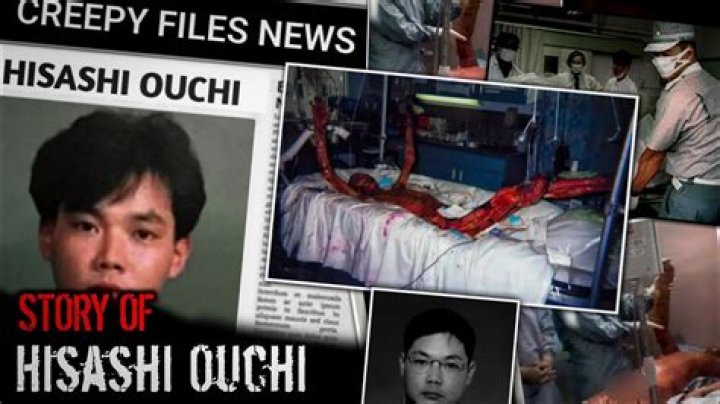
Hisashi Ouchi's story is one that leaves a lasting impact on anyone who learns about it. The tragic events that surrounded his life and untimely death serve as a powerful reminder of the consequences of radiation exposure. Hisashi Ouchi was a worker at the Tokaimura nuclear facility in Japan, where a criticality accident took place in 1999. This catastrophic incident not only affected Ouchi but also raised significant concerns about safety protocols in nuclear facilities. In this article, we delve deep into the life of Hisashi Ouchi, exploring the implications of his story, particularly focusing on the body images that emerged following his exposure to lethal radiation.
As we navigate through Hisashi Ouchi's narrative, we will examine how the horrific aftermath of the accident has led to a greater understanding of radiation's impact on the human body. The body images associated with Ouchi's suffering provide a visceral representation of the dangers that workers face in high-risk environments like nuclear power plants. Furthermore, these images have sparked conversations about ethical considerations in medical treatments and media portrayals of individuals suffering from severe health conditions.
Through a careful exploration of Hisashi Ouchi's biography, personal details, and the public's reaction to the body images that surfaced during and after his ordeal, we aim to shed light on the broader implications of his story. The quest for understanding the balance between scientific progress and human safety continues to resonate, making Ouchi's experience relevant to ongoing discussions about nuclear energy and its associated risks.
What Happened to Hisashi Ouchi?
Hisashi Ouchi was a technician at the Tokaimura nuclear power plant in Japan. On September 30, 1999, a criticality accident occurred when workers improperly mixed uranium fuel, resulting in a chain reaction that exposed Ouchi and two other coworkers to high levels of radiation. Ouchi suffered severe radiation burns and damage to his internal organs, leading to an agonizing battle for survival that lasted for 83 days before he succumbed to his injuries on December 21, 1999.
Biography of Hisashi Ouchi
| Attribute | Details |
|---|---|
| Name | Hisashi Ouchi |
| Date of Birth | 1965 |
| Date of Death | December 21, 1999 |
| Profession | Nuclear Technician |
| Nationality | Japanese |
How Did Hisashi Ouchi's Accident Affect His Body?
The radiation exposure Ouchi experienced was catastrophic. The effects on his body were profound and heart-wrenching. Ouchi endured extreme pain, organ failure, and severe skin damage. Doctors reported that the internal damage was so extensive that they struggled to provide effective treatment. The images that emerged from his medical treatment were harrowing, showcasing the physical toll that radiation can take on the human body.
What Are the Implications of Hisashi Ouchi Body Images?
The body images of Hisashi Ouchi, particularly those captured during his hospital stay, raised numerous ethical questions surrounding the representation of individuals suffering from critical health issues. On one hand, these images served as a stark reminder of the dangers associated with nuclear energy; on the other hand, they sparked debates about privacy and consent. Should such images be shared publicly, and if so, for what purpose?
Why Are Body Images Important in Understanding Radiation Exposure?
Body images play a crucial role in conveying the severity of health conditions resulting from radiation exposure. They provide visual evidence of the impact of such accidents, fostering a deeper understanding of the risks involved. Moreover, these images can serve as a catalyst for policy changes in nuclear safety protocols, emphasizing the need for stricter regulations to protect workers in high-risk environments.
What Legacy Did Hisashi Ouchi Leave Behind?
Hisashi Ouchi's tragic story continues to resonate in discussions about nuclear safety and worker protection. The accident at the Tokaimura plant prompted significant changes in Japan's nuclear regulatory framework, with increased scrutiny on operational protocols and worker safety measures. Ouchi's legacy serves as a reminder of the human cost of technological advancement and the importance of prioritizing safety in high-risk industries.
How Can We Honor Hisashi Ouchi's Memory?
Honoring the memory of Hisashi Ouchi involves advocating for improved safety standards in nuclear facilities, raising awareness about the dangers of radiation exposure, and supporting victims and their families affected by similar incidents. Public discussions and educational initiatives can help ensure that Ouchi's story remains a vital part of the conversation surrounding nuclear energy and its risks.
Conclusion: Reflecting on Hisashi Ouchi's Impact
Hisashi Ouchi's body images serve as a powerful testament to the consequences of negligence in nuclear safety. They remind us of the importance of prioritizing human life over technological progress. As we reflect on Ouchi's ordeal, it is crucial to continue advocating for regulations that protect workers and to maintain an open dialogue about the ethical implications of sharing such graphic representations of suffering. Only through understanding and awareness can we hope to prevent future tragedies and honor the legacy of those who have suffered.
Unveiling The Life And Legacy Of Hisashi Ouchi Through Photos
Discovering Hasachi Ouchi: A Journey Through Culture And Heritage
The Unforgettable Journey Of Molly Noblitt And Aubreigh Wyatt