Exploring The Life And Legacy Of A Famous Spanish Person
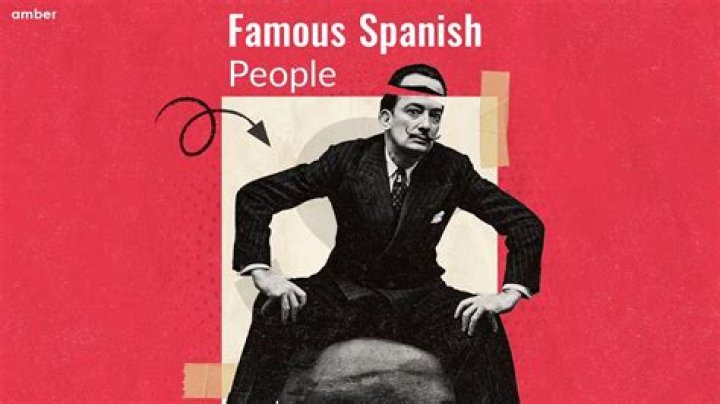
Spain has a rich cultural heritage and has given birth to numerous influential figures who have left an indelible mark on history, art, literature, and science. Among these luminaries, one famous Spanish person stands out due to their remarkable contributions and enduring legacy. From artists to writers, Spain has produced an array of talents whose work continues to inspire and challenge societal norms. In this article, we will delve into the life, achievements, and influence of a prominent figure from Spain, exploring what makes them a celebrated icon in both their homeland and around the world.
Understanding the life of a famous Spanish person is essential to appreciating the broader cultural and historical context in which they lived. Their experiences, struggles, and triumphs reflect the spirit of Spain itself, allowing us to connect more deeply with the narratives that shape our understanding of this vibrant nation. Through their art, literature, or scientific discoveries, these individuals have not only enriched their own communities but have also had a profound impact on global culture.
As we journey through the fascinating story of this famous Spanish person, we will examine their biography, personal details, and the significant milestones that defined their careers. By doing so, we hope to shed light on how their contributions continue to resonate in contemporary society and inspire future generations.
Who is This Famous Spanish Person?
The famous Spanish person we will focus on is none other than Pablo Picasso, a revolutionary artist whose works have transcended time and cultural boundaries. Born on October 25, 1881, in Málaga, Spain, Picasso is celebrated as one of the most influential artists of the 20th century. His innovative approach to art, particularly in the realms of Cubism and Surrealism, has rendered his work iconic and timeless.
What is Pablo Picasso's Biography?
Pablo Picasso's journey as an artist began at a young age, influenced by his father, who was also an artist. He demonstrated remarkable talent, which led him to study at various art schools in Spain and later in France. Over the years, Picasso's style evolved dramatically, reflecting his diverse experiences and the tumultuous times in which he lived. His prolific output includes thousands of paintings, sculptures, ceramics, and drawings, showcasing an extraordinary range of creativity.
| Personal Details | Bio Data |
|---|---|
| Name | Pablo Diego José Francisco de Paula Juan Nepomuceno Crispín Crispiniano Ruiz Picasso |
| Birth Date | October 25, 1881 |
| Birth Place | Málaga, Spain |
| Death Date | April 8, 1973 |
| Nationality | Spanish |
| Famous For | Painting, Sculpture, Ceramics, Drawing |
What Are Some of Picasso's Most Notable Works?
Pablo Picasso created numerous masterpieces that have become part of art history. Some of his most notable works include:
- Les Demoiselles d'Avignon (1907) - A groundbreaking painting that marked the beginning of Cubism.
- Guernica (1937) - A powerful political statement against war, inspired by the bombing of Guernica during the Spanish Civil War.
- The Weeping Woman (1937) - A series of paintings depicting the emotional toll of war.
- Girl Before a Mirror (1932) - An exploration of identity and perception.
How Did Picasso Influence Modern Art?
Pablo Picasso's impact on modern art cannot be overstated. He challenged traditional notions of representation and perspective, paving the way for future artists to explore abstraction. His collaboration with Georges Braque in developing Cubism changed the landscape of art, encouraging experimentation with form and color. Picasso's legacy is evident in the works of countless artists who followed in his footsteps, embracing creativity without constraints.
What Challenges Did Picasso Face Throughout His Career?
Despite his immense talent, Picasso faced several challenges during his career. The tumultuous political climate in Spain and the rise of fascism posed significant obstacles, particularly during the Spanish Civil War. Additionally, Picasso grappled with personal struggles, including turbulent relationships and the pressures of fame. Yet, he channeled these experiences into his art, producing works that resonated with the human condition.
What is Picasso's Legacy Today?
Today, Pablo Picasso is celebrated as a cultural icon, with his works displayed in prestigious museums worldwide. His influence extends beyond the art world, inspiring filmmakers, writers, and musicians. The Picasso Museum in Barcelona and various exhibitions showcase his evolution as an artist, providing insight into his creative process. Furthermore, his innovative spirit encourages contemporary artists to push boundaries and explore new realms of expression.
Why Should We Remember Famous Spanish Persons Like Picasso?
Remembering famous Spanish persons like Pablo Picasso is vital for understanding the cultural identity of Spain and its contributions to global heritage. Their stories remind us of the power of creativity and the importance of challenging norms. By studying their lives and achievements, we gain insight into the struggles and triumphs that shape our world today. Picasso's legacy serves as a testament to the enduring influence of art in society, encouraging us to embrace our creativity and express our unique perspectives.
In conclusion, the life and work of Pablo Picasso exemplify the spirit of innovation and resilience that defines many famous Spanish persons. His contributions to art have not only shaped the course of modernism but have also inspired generations of artists to explore the depths of human experience. As we reflect on his legacy, let us celebrate the rich tapestry of Spanish culture and the remarkable individuals who have contributed to its vibrancy.
When Memes Disappoint: A Deep Dive Into The Humor That Falls Flat
Unveiling The Legacy: Rohan Marley’s Mother And Her Impact
Exploring The Lives Of Jessica Alba's Siblings