Exploring The Life And Legacy Of Хисаши Оучи
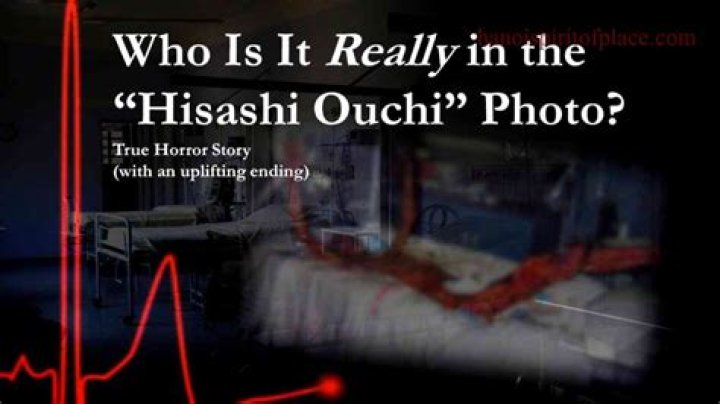
Хисаши Оучи is a name that resonates deeply within the realms of both science and human resilience. Known for his heartbreaking story and the discussions it has sparked regarding medical ethics and the human condition, Оучи’s life serves as a poignant reminder of the fragility of life and the complexity of medical advancements. Despite the tragic circumstances surrounding his legacy, he represents a pivotal point in the intersection of science, humanity, and the ethical dilemmas faced by the medical community.
As we delve deeper into the life of Хисаши Оучи, we uncover not just the events that led to his unfortunate fate but also the impact his story has had on contemporary medicine and society's understanding of patient rights. This article aims to provide an in-depth exploration of his biography, the medical advancements his case brought to light, and the ongoing discussions surrounding his legacy. We will also consider the broader implications of his story on medical practice and ethics.
Join us as we journey through the life of Хисаши Оучи, examining the significant milestones, the challenges faced, and how his experiences continue to influence medical practices today. Through this exploration, we hope to honor his memory and remind ourselves of the importance of compassion and ethical responsibility in the medical field.
What is the Biography of Хисаши Оучи?
Хисаши Оучи was born on March 6, 1964, in Japan. His life, however, took a tragic turn that would not only change his own trajectory but also raise crucial questions about medical ethics and patient rights. He became a significant figure due to the catastrophic consequences of a nuclear accident at the Tokaimura uranium processing facility in 1999, which left him severely injured and in a state of extreme suffering.
| Personal Details | Biography |
|---|---|
| Name | Хисаши Оучи |
| Date of Birth | March 6, 1964 |
| Nationality | Japanese |
| Known For | Nuclear accident victim, medical ethics discussions |
| Date of Accident | September 30, 1999 |
| Death | December 21, 1999 |
How Did the Accident Affect Хисаши Оучи?
The accident that Хисаши Оучи was involved in resulted from a criticality incident during the handling of uranium at the plant. This incident exposed him to lethal doses of radiation, which led to severe physical injuries and a prolonged battle for survival. The medical team faced immense challenges in treating him due to the nature of his injuries, which included extensive burns and radiation sickness.
Despite the best efforts of medical professionals, Хисаши Оучи’s condition deteriorated rapidly, and he became a subject of intense media scrutiny. His suffering raised serious ethical questions regarding patient care and the extent to which medical intervention should continue in such dire circumstances. These discussions prompted a reevaluation of medical protocols and the responsibilities of healthcare providers in similar situations.
What Were the Medical and Ethical Implications of His Case?
Хисаши Оучи's tragic journey through the medical system brought to light several key ethical dilemmas:
- Patient Autonomy: How much control should patients have over their treatment options, especially in life-threatening scenarios?
- End-of-Life Decisions: At what point should medical professionals consider the quality of life when making treatment decisions?
- Transparency in Medical Practices: How should medical professionals communicate risks and outcomes to patients and their families?
- Research and Experimentation: What are the ethical boundaries when conducting research on critically injured patients?
These questions are critical in shaping current medical practices and policies, ensuring that the lessons learned from Хисаши Оучи’s case continue to influence the ethical landscape of healthcare.
What Legacy Did Хисаши Оучи Leave Behind?
The legacy of Хисаши Оучи extends far beyond his personal tragedy. His story has become a pivotal reference point in discussions about the ethical implications of medical treatment, particularly in cases involving severe injuries and terminal conditions. The fallout from the Tokaimura incident spurred significant changes in Japan's nuclear safety regulations and heightened awareness about radiation exposure and its consequences.
How Has His Story Influenced Current Medical Practices?
Today, Хисаши Оучи's case is frequently referenced in medical ethics courses and discussions about patient rights. Healthcare professionals are encouraged to consider the implications of their decisions on patient quality of life and to communicate openly with patients and their families about treatment options and potential outcomes.
What Can We Learn from Хисаши Оучи’s Life?
The story of Хисаши Оучи serves as a powerful reminder of the importance of compassion in medicine. It emphasizes the need for healthcare professionals to approach each patient with empathy and respect, acknowledging their suffering and the complex decisions that often accompany medical care.
Furthermore, it reinforces the idea that ethical considerations in medicine are not static; they evolve with each case that challenges existing norms and practices. The discussions sparked by Хисаши Оучи’s legacy continue to resonate, urging us to foster a healthcare environment that prioritizes human dignity and ethical integrity.
Conclusion: Reflecting on the Impact of Хисаши Оучи
In conclusion, Хисаши Оучи’s life and experiences serve as a poignant testament to the intersection of life, death, and the ethical responsibilities of medical professionals. His story not only highlights the challenges faced by individuals in the wake of tragedy but also calls for ongoing dialogue about how we navigate the complexities of healthcare in a rapidly changing world.
As we reflect on Хисаши Оучи’s legacy, let us remember the importance of compassion, ethical reflection, and the continuous pursuit of better practices in medicine. His life, though marked by suffering, has left an indelible mark on the medical community and society at large, reminding us that behind every case, there is a human being deserving of dignity and respect.
The Amazing Journey Of Sophie Rain: The Spider Man Video
Remembering Molly Noblitt: A Life Full Of Light And Love
Exploring The Charismatic Journey Of ซูเนตร้า แซสตรี