Exploring The Tragic Story Behind Hisashi Ouchi's Graphic Photos
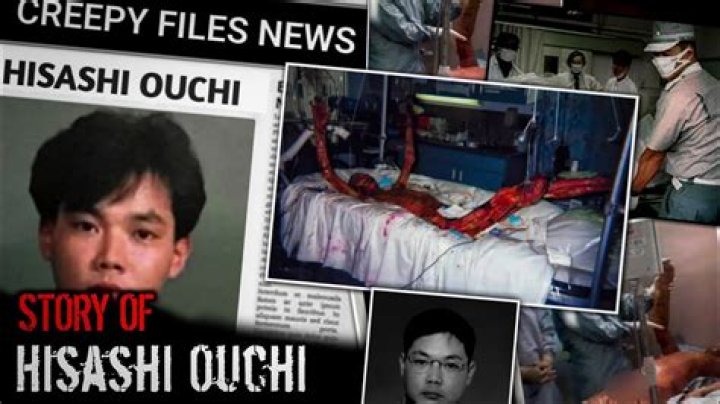
In the vast world of human experiences, there are stories that echo with both horror and tragedy, one of which is the story of Hisashi Ouchi. This narrative is not just about a single event but a culmination of the devastating consequences of a catastrophic accident. Hisashi Ouchi, a name that resonates deeply in the annals of nuclear safety, embodies a haunting reality that serves as a stark reminder of the fragility of life and the perils of technology. The graphic photos associated with his story are not mere images; they are poignant reminders of the human cost of industrial accidents.
In this article, we delve into the life of Hisashi Ouchi, examining the events that led to his tragic fate and the graphic photos that have emerged from this incident. These images, while unsettling, provide a crucial insight into the aftermath of nuclear accidents and the importance of safety measures. The story of Hisashi Ouchi is not just his own but a narrative that speaks to all of us, highlighting the need for vigilance and respect in the face of powerful technologies.
As we navigate through this exploration, we will uncover the details of Hisashi Ouchi's life, the incident that changed everything, and the ongoing discussions about safety regulations in the nuclear industry. The graphic photos serve as a stark visual representation of the consequences faced by Ouchi and others affected by similar disasters. Let us embark on this journey to understand not just the man behind the name but also the implications of his story.
What Happened to Hisashi Ouchi?
Hisashi Ouchi was a worker at the Tokaimura nuclear facility in Japan. On September 30, 1999, he was involved in a catastrophic accident that would change his life and the lives of many others. The incident occurred during the improper handling of uranium, leading to a criticality accident that exposed Ouchi and his colleagues to lethal doses of radiation. The accident was a result of a series of procedural errors and a lack of safety protocols, highlighting the failures within the nuclear industry.
Who Was Hisashi Ouchi?
Ouchi was born in 1962 in Japan. He was a dedicated individual who worked at the Tokaimura facility, striving to contribute positively to his field. His life, however, took a tragic turn due to a series of unfortunate events that culminated in the criticality accident. The exposure to radiation would ultimately lead to his untimely suffering and death, drawing attention to the dire consequences of nuclear mishaps.
What Are the Key Details of Hisashi Ouchi's Life?
| Detail | Information |
|---|---|
| Name | Hisashi Ouchi |
| Birth Year | 1962 |
| Occupation | Nuclear facility worker |
| Incident Date | September 30, 1999 |
| Location | Tokaimura, Japan |
| Exposure | Lethal doses of radiation |
| Death Date | December 21, 1999 |
How Did the Accident Affect Hisashi Ouchi?
The consequences of the accident were devastating for Hisashi Ouchi. After the criticality incident, he was rushed to a hospital where he was treated for severe radiation burns and damage to his internal organs. The graphic photos that emerged from his hospitalization depicted the harrowing reality of his condition—his suffering was immense, and he endured unimaginable pain. Hisashi Ouchi's story became a focal point for discussions about the ethical implications of nuclear safety and the treatment of individuals affected by such disasters.
What Do the Graphic Photos of Hisashi Ouchi Reveal?
The graphic photos associated with Hisashi Ouchi serve as a chilling reminder of the consequences of radiation exposure. These images, while disturbing, tell a story of human suffering and resilience. They reveal the extent of Ouchi's injuries, showcasing the physical toll that radiation can take on the body. The photos not only document his suffering but also emphasize the urgent need for stricter safety protocols within the nuclear industry.
Why Are These Images Important?
- Awareness: The graphic photos raise awareness about the potential hazards of nuclear energy and the importance of safety regulations.
- Education: They serve as educational tools, illustrating the real-life consequences of industrial accidents.
- Advocacy: The images have been used by advocates to push for better safety measures and legal protections for workers in the nuclear field.
- Memory: They honor the memory of Hisashi Ouchi and others who have suffered similar fates, keeping their stories alive.
What Legacy Did Hisashi Ouchi Leave Behind?
The legacy of Hisashi Ouchi is multifaceted. His tragic story has prompted significant discussions about nuclear safety, worker protection, and the ethical considerations surrounding the use of nuclear energy. The incident at Tokaimura led to reforms in safety protocols and regulations within the Japanese nuclear industry, aiming to prevent similar accidents in the future. Hisashi Ouchi's suffering became a catalyst for change, reminding us of the real human stakes involved in technological advancement.
How Can We Learn From Hisashi Ouchi's Story?
Hisashi Ouchi's story offers valuable lessons about the importance of safety, oversight, and ethical responsibility in industries that wield powerful technologies. It serves as a reminder that behind every statistic and regulation, there are real people whose lives are impacted by decisions made in the name of progress. By learning from the past, we can strive to create a safer future for all, ensuring that the mistakes of the past are not repeated.
What Should Be Done Moving Forward?
In light of Hisashi Ouchi's tragic fate, it is crucial for industry leaders, policymakers, and workers to prioritize safety above all else. This includes:
- Implementing Stricter Safety Regulations: Ensuring that all safety protocols are not just in place but are actively enforced.
- Providing Comprehensive Training: Workers should receive thorough training on safety procedures and emergency protocols.
- Encouraging a Culture of Safety: Organizations should foster an environment where safety concerns can be raised without fear of retribution.
- Continuing Research: Ongoing research into the effects of radiation and the development of safer technologies is essential.
Hisashi Ouchi's life and the graphic photos associated with his tragic story remind us of the delicate balance between technological advancement and human safety. As we continue to navigate the complexities of the nuclear industry, let us honor his memory by striving for a future where safety is paramount, and no one has to endure the pain that he experienced.
Unraveling The Mystery: Julia Gisella Cause Of Death
Discovering The Talents Of Zachary La Voy: A Rising Star In Acting
Exploring The Life And Career Of Luke Beasley