Exploring The Vibrant Tapestry Of Pictures Of Different Tribes In Nigeria
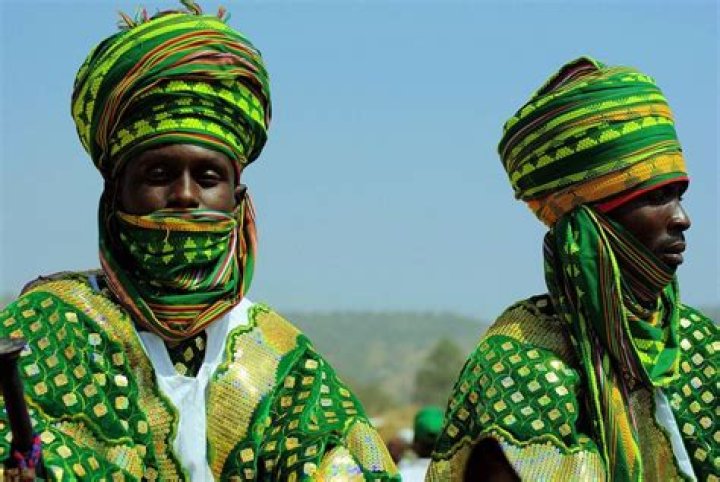
Nigeria is a rich tapestry of cultures, traditions, and ethnicities, boasting over 250 distinct tribes, each with its own unique heritage. The beauty of this diversity is often captured in stunning photographs that showcase traditional attire, ceremonies, and daily life. These pictures of different tribes in Nigeria not only tell the story of the people but also reveal the intricate connections between history, art, and identity. As we delve into the colorful world of Nigeria's tribes, we invite you to explore the visual narratives that highlight this nation's vibrant cultural landscape.
From the majestic Fulani with their iconic hats to the colorful attire of the Yoruba, the pictures of different tribes in Nigeria offer a window into the heart of these communities. Each tribe has its own language, customs, and art forms, which are often beautifully depicted in photographs. Whether through ceremonial dances, traditional festivals, or everyday activities, these images serve as a powerful reminder of the rich cultural heritage that thrives in Nigeria.
As we embark on this visual journey, we will examine the significance of various tribes, their customs, and how they contribute to the overall identity of Nigeria. Join us as we discover the stories behind the pictures of different tribes in Nigeria and celebrate the richness of this African nation.
What Are the Major Tribes in Nigeria?
Nigeria is home to several major tribes, each with its own distinct culture and traditions. The three largest tribes are:
- Hausa-Fulani: Predominantly found in the northern region of Nigeria, known for their rich Islamic heritage and vibrant markets.
- Yoruba: Located in the southwestern part of the country, the Yoruba are known for their colorful festivals and unique traditional dress.
- Ibo (Igbo): Residing in the southeastern region, the Igbo people are known for their entrepreneurial spirit and vibrant cultural practices.
How Do Pictures of Different Tribes in Nigeria Reflect Their Culture?
The pictures of different tribes in Nigeria serve as a visual documentation of their cultural practices. These images often capture:
- Traditional clothing and attire, showcasing the intricate designs and colors that represent each tribe.
- Cultural festivals and ceremonies that highlight the significance of rituals and communal celebrations.
- Everyday life, depicting the daily activities and occupations of the tribes.
What Is the Role of Traditional Festivals in Nigerian Tribes?
Traditional festivals play a crucial role in the cultural identity of Nigerian tribes. These events often include:
- Religious observances that honor ancestors and deities.
- Artistic displays, including dance, music, and storytelling.
- Community bonding, fostering unity and cooperation among tribe members.
What Are the Unique Traditional Attires of Nigerian Tribes?
The traditional attire of Nigerian tribes is not only a reflection of cultural identity but also signifies status and occasion. For instance:
- Yoruba: Known for their 'Agbada' and 'Iro and Buba' outfits, often adorned with intricate embroidery.
- Hausa-Fulani: Recognized for their flowing robes and elaborate caps, often in bright colors.
- Igbo: Famous for their 'Isiagu' shirts and ' wrappers' worn by women, often featuring bold patterns.
How Do Pictures of Different Tribes in Nigeria Capture Their Daily Lives?
Pictures of different tribes in Nigeria often showcase the daily lives of the people, revealing their customs, routines, and interactions. Common themes include:
- Market scenes where artisans sell handcrafted goods.
- Children engaged in play and learning, reflecting the values of their communities.
- Farmers working in the fields, highlighting the agricultural heritage of many tribes.
What Are the Significance and Impact of Tribal Art in Nigeria?
Tribal art in Nigeria is a significant aspect of cultural expression. It serves various purposes, including:
- Preserving history and storytelling through carvings, paintings, and textiles.
- Providing a medium for spiritual and religious expression.
- Encouraging economic opportunities through art sales and tourism.
How Can Pictures of Different Tribes in Nigeria Foster Cultural Appreciation?
Pictures of different tribes in Nigeria can play a vital role in fostering cultural appreciation by:
- Educating people about the diversity and richness of Nigerian heritage.
- Promoting tourism and interest in cultural experiences.
- Encouraging dialogue and understanding between different ethnic groups.
In conclusion, the pictures of different tribes in Nigeria serve as a powerful reminder of the country's rich cultural heritage. They capture the essence of daily life, traditional practices, and the vibrant spirit of the people. By exploring these images, we not only celebrate the beauty of Nigeria's diversity but also gain insight into the stories and traditions that shape its identity. As we continue to appreciate the cultural tapestry of Nigeria, let us embrace the lessons and values that these tribes offer, fostering a deeper understanding of our shared humanity.
Unveiling The Life And Journey Of Karisa Doyle
Unveiling The Wealth: Kay Flock Net Worth
Unveiling The Life And Legacy Of Mustafa Raj