Tragedy And Resilience: The Tokaimura Nuclear Accident And Hisashi Ouchi's 83 Days Of Suffering
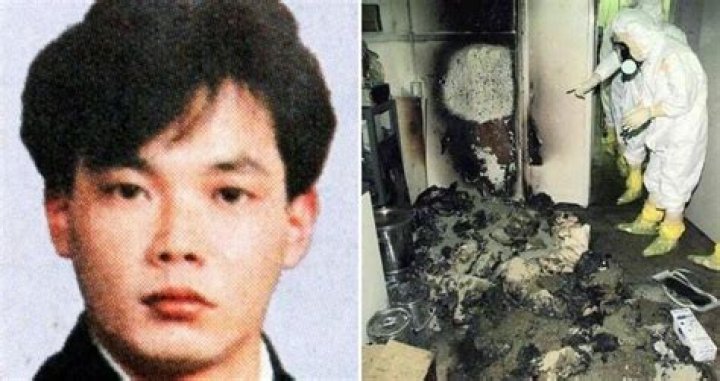
The Tokaimura nuclear accident of 1999 stands as a stark reminder of the potential dangers associated with nuclear energy. This catastrophic event not only highlighted the vulnerabilities within Japan's nuclear safety protocols but also brought to light the personal story of Hisashi Ouchi, the accident's most severely affected victim. Ouchi's life would pivot around those harrowing 83 days, which were marked by immense suffering, medical battles, and an overwhelming fight for survival. The accident itself occurred in a uranium processing facility where improper procedures led to a criticality incident, resulting in significant radiation exposure to several workers. Ouchi, who was at the center of this tragedy, became a symbol of both the human cost of nuclear energy and the resilience of the human spirit amidst disaster.
The aftermath of the Tokaimura nuclear accident raised numerous questions about safety standards and emergency responses in nuclear facilities. Hisashi Ouchi's struggle to survive was not just a medical case; it became a focal point for discussions on nuclear safety and the ethical implications of nuclear power. As the world watched, Ouchi's story unfolded in a way that was both heartbreaking and illuminating, shedding light on the complexities of life after such an incident.
In this article, we will delve deeper into the Tokaimura nuclear accident, explore Hisashi Ouchi's biography, and reflect on the impact this event had on nuclear safety policies in Japan and around the world. Through understanding Ouchi's journey, we can better appreciate the lessons learned from this tragic event and recognize the importance of rigorous safety standards in preventing such disasters in the future.
What Happened During the Tokaimura Nuclear Accident?
The Tokaimura nuclear accident occurred on September 30, 1999, at a uranium processing facility in Tokaimura, Japan. Here’s a breakdown of the key events:
- Workers improperly mixed uranium fuel without adequate safety precautions.
- A criticality incident occurred, resulting in a sudden release of neutron radiation.
- Two workers, including Hisashi Ouchi, were exposed to high levels of radiation.
- The facility was quickly evacuated, but the damage was already done.
Who Was Hisashi Ouchi?
Hisashi Ouchi was born on March 28, 1965, in Japan. He worked as a nuclear technician and was known for his dedication to his job. The Tokaimura nuclear accident would change his life forever, leading to a battle for survival that lasted 83 days.
| Detail | Information |
|---|---|
| Name | Hisashi Ouchi |
| Date of Birth | March 28, 1965 |
| Occupation | Nuclear Technician |
| Accident Date | September 30, 1999 |
| Days of Suffering | 83 Days |
| Death Date | December 21, 1999 |
What Were the Immediate Effects of the Accident?
The immediate aftermath of the Tokaimura nuclear accident was catastrophic for those involved. The following points summarize the key impacts:
- Ouchi and another worker, Masato Shinohara, suffered severe radiation burns.
- Emergency medical services were overwhelmed by the incident's severity.
- The accident prompted a national and international outcry for improved nuclear safety measures.
How Did Hisashi Ouchi's Medical Journey Unfold?
Hisashi Ouchi's medical journey was marked by intense suffering and resilience. After the accident, he was rushed to a nearby hospital, where doctors faced the daunting task of treating severe radiation exposure. The treatment included:
- Extensive skin grafts to treat radiation burns.
- Isolation to prevent infection due to compromised immune function.
- Experimental treatments aimed at mitigating the effects of radiation.
Despite the medical team's efforts, Ouchi's condition deteriorated over the 83 days he remained in the hospital.
What Were the Long-Term Consequences of the Tokaimura Nuclear Accident?
The Tokaimura nuclear accident had far-reaching implications beyond the immediate health effects experienced by Ouchi and his colleagues. The incident prompted several long-term consequences:
- Increased scrutiny and revision of nuclear safety regulations in Japan.
- Heightened public awareness and concern regarding nuclear energy's risks.
- Legal repercussions for the companies involved in the accident.
How Did Hisashi Ouchi's Story Influence Public Perception of Nuclear Energy?
Hisashi Ouchi's harrowing story became a focal point in the debate over nuclear energy. His suffering highlighted the human cost of nuclear accidents, leading to:
- Increased advocacy for renewable energy sources.
- Calls for transparency and accountability in nuclear energy policies.
- Public outcry for improved worker safety in nuclear facilities.
What Lessons Were Learned from the Tokaimura Nuclear Accident?
The Tokaimura nuclear accident served as a critical learning opportunity for the nuclear industry worldwide. Key lessons include:
- The importance of rigorous training and adherence to safety protocols.
- The need for immediate emergency response plans and drills.
- Greater investment in research and development for safer nuclear technologies.
In conclusion, the Tokaimura nuclear accident and the ensuing 83 days of suffering for Hisashi Ouchi marked a pivotal moment in Japan's history. The tragedy not only brought forth a personal story of struggle and resilience but also catalyzed significant changes in nuclear safety regulations and public perception of nuclear energy. Through remembering Ouchi's experience, we can honor the lessons learned and strive for a safer future in nuclear energy practices.
Unveiling The Dynamic Duo: Joanne Whalley And Val Kilmer
Exploring The Harrowing Story Of Hisashi Ouchi And The Impact Of Body Images
Unveiling The Intriguing Connection Between Joe Wilkinson And Petra