Unraveling The Mystery Of Hisashi Ouchi Day 83
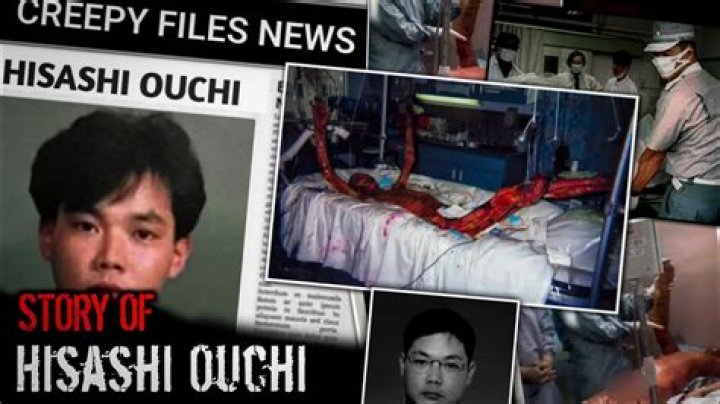
Hisashi Ouchi Day 83 is a significant moment in the story of one man's tragic encounter with radiation exposure that changed not only his life but also the landscape of nuclear safety regulations in Japan. As we delve into the events surrounding this day, we uncover the human side of a disaster that would otherwise be lost in the technicalities of science and engineering. Hisashi Ouchi's tale is not just about the consequences of a nuclear accident; it's a poignant narrative of a life interrupted and the fight for survival against insurmountable odds.
On this day, we reflect on the aftermath of the 1999 Tokaimura nuclear accident, where Ouchi was one of the workers affected by a criticality accident. The impact of this incident was felt far and wide, leading to a re-evaluation of safety protocols within the nuclear industry. Hisashi Ouchi Day 83 serves as a reminder of the human cost of negligence in safety practices and the importance of learning from past mistakes.
As we explore Hisashi Ouchi Day 83, we will not only recount his story but also analyze the broader implications of the tragedy. This article aims to shed light on the events of that fateful day while honoring the legacy of a man whose suffering prompted vital changes in nuclear safety laws. What lessons can be learned from Hisashi Ouchi’s experience, and how can we ensure that history does not repeat itself?
Who Was Hisashi Ouchi?
Hisashi Ouchi was a Japanese nuclear worker who was involved in a criticality accident at the JCO uranium processing facility in Tokaimura, Japan. His life story is a powerful testament to the resilience of the human spirit and the importance of safety in high-risk industries.
What Happened on Hisashi Ouchi Day 83?
On the 83rd day following the incident, Hisashi Ouchi faced extreme physical challenges as he fought for his life in the hospital. The day was marked by severe pain and suffering, with Ouchi enduring the effects of radiation poisoning. This period was characterized by intense medical interventions and the uncertainties of his prognosis.
Why is Hisashi Ouchi’s Story Important?
The story of Hisashi Ouchi is important not only because of the tragedy itself but also due to the subsequent reforms it spurred in nuclear safety regulations. His case became a focal point for discussions on the need for stringent safety protocols in the nuclear industry, influencing policies locally and internationally.
What Were the Circumstances Leading to the Accident?
- Inadequate Training: Workers at the JCO facility were not fully prepared for the operations they were conducting, which led to the criticality accident.
- Safety Protocol Lapses: The lack of proper safety measures and oversight contributed significantly to the accident.
- Human Error: Mistakes made by personnel during the uranium processing were pivotal in triggering the criticality.
How Did Hisashi Ouchi Day 83 Affect His Family?
Hisashi Ouchi's family endured unimaginable stress and heartache as they watched him suffer. The emotional toll was immense as they grappled with the uncertainty of his condition and the implications of the accident. The support from his family played a crucial role in his fight for survival, showcasing the importance of familial bonds in times of crisis.
What Medical Interventions Did He Undergo?
During Hisashi Ouchi Day 83, he underwent various medical treatments aimed at alleviating the effects of radiation exposure. These included:
- Pain Management: Doctors administered pain relief medications to help Ouchi cope with the severe discomfort caused by radiation sickness.
- Blood Transfusions: Frequent blood transfusions were necessary to combat the effects of radiation on his blood cell counts.
- Infection Control: The medical team implemented strict infection control measures as Ouchi's immune system was severely compromised.
- Experimental Treatments: Ouchi was subjected to experimental treatments, as doctors sought to find effective ways to combat radiation poisoning.
What Were the Long-Term Impacts of Hisashi Ouchi’s Case?
The long-term impacts of Hisashi Ouchi's case were profound, influencing not only nuclear safety regulations but also public perception of nuclear energy. Key changes that emerged included:
- Revised Safety Standards: The incident prompted a comprehensive review and overhaul of safety protocols in nuclear facilities.
- Increased Training Requirements: Training for nuclear workers was intensified to ensure that they were adequately prepared for emergency situations.
- Public Awareness Campaigns: The tragedy highlighted the need for better public understanding of nuclear safety and emergency preparedness.
What Lessons Can Be Learned from Hisashi Ouchi Day 83?
Hisashi Ouchi Day 83 serves as a critical lesson in the importance of safety in high-risk industries. The experiences of Ouchi and his family highlight the need for:
- Enhanced Safety Protocols: Strict adherence to safety measures is essential to prevent accidents.
- Effective Communication: Open lines of communication between workers and management can help identify potential hazards.
- Ongoing Training: Continuous training ensures that workers are prepared for the challenges they may face.
How Can We Honor Hisashi Ouchi’s Legacy?
To honor the legacy of Hisashi Ouchi, it is crucial to advocate for nuclear safety and ensure that the lessons learned from his tragedy are not forgotten. This can be achieved through:
- Advocacy for Policy Changes: Support initiatives aimed at improving nuclear safety regulations.
- Public Education: Educate others about the risks and safety measures associated with nuclear energy.
- Memorialization: Create memorials or events to remember the victims of the Tokaimura accident and to honor their stories.
Hisashi Ouchi Day 83 remains a poignant reminder of the fragility of life and the importance of vigilance in safety practices. By remembering this day, we can ensure that Hisashi Ouchi's story continues to resonate and inspire change in the pursuit of safer working environments for all.
Aubree Wyatt: A Rising Star In The Spotlight
Exploring The Tragic Story Behind Hisashi Ouchi's Graphic Photos
Kaitlyn Krems: Unlocking The World Of Exclusive Content