Unraveling The Tragic Hisashi Ouchi Incident: A Tale Of Radiation And Resilience
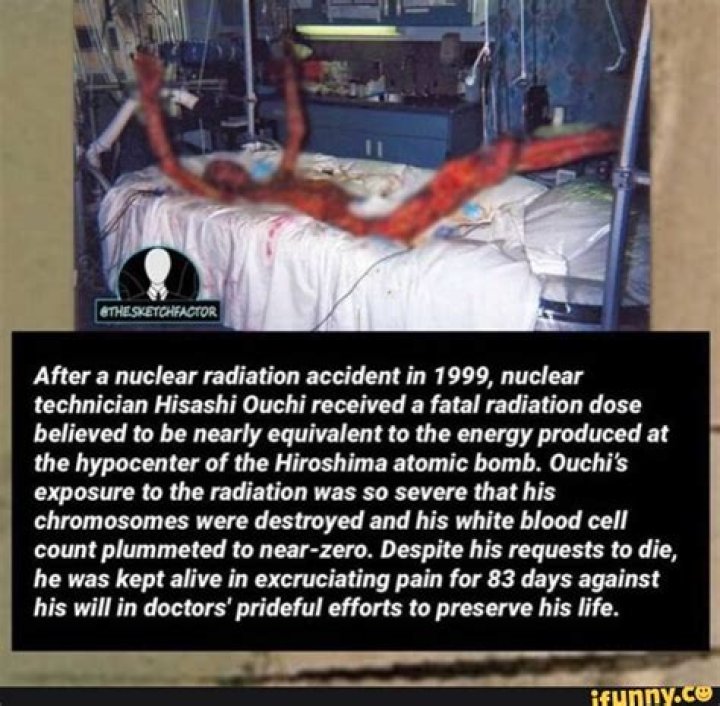
The Hisashi Ouchi incident stands as a grim reminder of the potential dangers associated with nuclear power and the catastrophic consequences that can ensue from human error. In 1999, a young worker's life was irrevocably altered due to a series of unfortunate events at the Tokaimura nuclear facility in Japan. This incident not only shook the foundations of the nuclear industry but also brought forth discussions about safety protocols and the human capacity to endure unimaginable pain. This horrific event serves as a cautionary tale, emphasizing the need for stringent regulations and a commitment to safety in nuclear energy production. The struggles faced by Ouchi and the ensuing aftermath continue to resonate within the realm of nuclear safety and ethics, compelling society to reflect on the balance between energy needs and human lives.
As we delve deeper into the details surrounding the Hisashi Ouchi incident, it becomes evident that this tragedy was not just a result of a single mistake but rather a culmination of oversight, negligence, and systemic failures within the nuclear regulatory framework. Ouchi’s experience is a stark illustration of the human cost of industrial accidents, compelling us to question the adequacy of safety measures in high-risk industries and the ethical implications of technological advancement.
Ultimately, the Hisashi Ouchi incident serves as an indelible chapter in the history of nuclear accidents, highlighting both the resilience of the human spirit and the urgent need for a more robust safety culture. In remembrance of this tragic event, we must strive to ensure that such incidents are never repeated, advocating for a future where safety is paramount and human life is valued above all.
What Happened During the Hisashi Ouchi Incident?
The Hisashi Ouchi incident occurred on September 30, 1999, at the Tokaimura nuclear processing facility, located in Ibaraki Prefecture, Japan. Ouchi, a 35-year-old worker, was involved in a criticality accident while handling uranium. The incident was triggered by a series of unsafe practices, including the improper mixing of uranium fuel, which led to a massive release of radiation. This accident resulted in Ouchi receiving an exposure level of 17 sieverts, far exceeding the lethal dose, causing severe radiation sickness.
What Were the Immediate Effects on Hisashi Ouchi?
Upon exposure, Ouchi experienced a rapid onset of symptoms associated with acute radiation syndrome, including nausea, vomiting, and intense pain. His condition deteriorated swiftly, leading to extensive organ failure and skin necrosis. Medical professionals struggled to provide adequate treatment, as the effects of radiation exposure were overwhelming. The incident not only impacted Ouchi's health but also raised alarm bells regarding the facility's safety protocols and employee training.
How Did the Incident Impact Nuclear Safety Regulations?
The Hisashi Ouchi incident prompted widespread scrutiny of Japan's nuclear safety regulations. In the aftermath, the Japanese government implemented stricter safety measures and oversight protocols to prevent similar accidents. This incident served as a catalyst for change, igniting debates on the adequacy of existing safety standards and the necessity for continuous improvement in the nuclear industry.
What Were the Long-Term Consequences of the Hisashi Ouchi Incident?
Beyond the immediate tragedy of Ouchi's suffering, the incident had far-reaching implications for both the individuals involved and the nuclear industry as a whole. Ouchi's prolonged hospitalization, which lasted for months, drew attention to the human toll of industrial accidents and the need for compassionate care for victims of such tragedies. Furthermore, the incident highlighted the ethical responsibilities of corporations and governments in ensuring worker safety.
How Did Hisashi Ouchi's Family Cope with the Aftermath?
Ouchi’s family faced immense challenges in the wake of his accident, grappling not only with the emotional toll but also with the financial burdens associated with his medical care. As Ouchi battled for his life, his family became advocates for nuclear safety, seeking justice and accountability in the wake of their loved one's suffering. Their journey exemplifies the resilience of those affected by industrial accidents, as they strive to ensure that no other family endures a similar fate.
What Lessons Can Be Learned from the Hisashi Ouchi Incident?
- Importance of Safety Protocols: The incident underscores the necessity for rigorous safety measures and training in high-risk industries.
- Human Oversight: It is crucial to recognize the role of human error in industrial accidents and to implement systems that minimize such risks.
- Compassionate Care: The need for compassionate treatment and support for victims of industrial accidents is paramount.
- Advocacy for Change: The incident highlights the importance of advocacy and public awareness in promoting safety and accountability.
What is the Legacy of Hisashi Ouchi?
The legacy of Hisashi Ouchi extends beyond the tragic circumstances of his accident; it serves as a powerful reminder of the human cost of technological advancement. Ouchi’s story has become a symbol of resilience in the face of adversity and a call to action for improved safety practices in the nuclear industry. As we reflect on the Hisashi Ouchi incident, we must remain vigilant in our pursuit of a safer future, ensuring that the lessons learned from this tragedy are never forgotten.
Conclusion: Remembering the Hisashi Ouchi Incident
In conclusion, the Hisashi Ouchi incident remains a significant chapter in the history of nuclear energy, prompting conversations about safety, ethics, and the human experience in industrial settings. As we remember Ouchi's struggle and the impact of his accident, let us advocate for a future where safety is prioritized, and the dignity of every worker is upheld. The lessons learned from this tragedy must serve as a guiding light in our ongoing efforts to create a safer world for all.
Shailene Woodley: The Rumors Of Pregnancy And Personal Insights
Exploring The Allure Of Hisachi Ouchi Photo
Is Joe Wilkinson Married? Unraveling The Mystery Of His Personal Life