Unraveling The Tragic Story Of Hasashi Ouchi
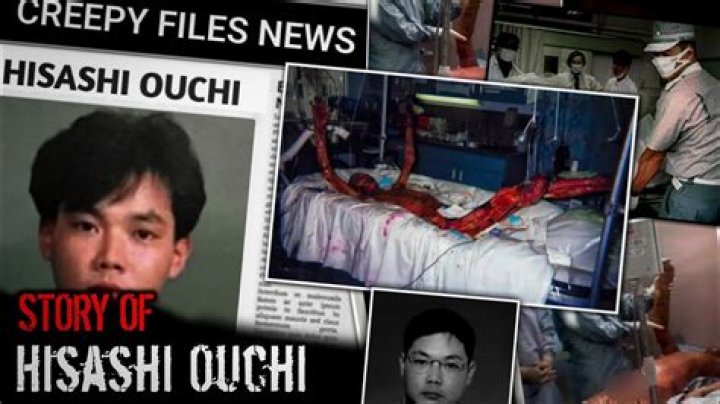
Hasashi Ouchi, a name that resonates with the harrowing consequences of nuclear disaster, represents a tragic tale that highlights the human cost of industrial accidents. His life and untimely death have become central to discussions on safety regulations and the ethical responsibilities of corporations in high-risk environments. Ouchi's story not only serves as a reminder of the dangers present in nuclear facilities but also evokes empathy and reflection on the nature of suffering and negligence in the face of technological advancement.
At the heart of Ouchi's narrative lies the catastrophic incident at the Tokaimura nuclear facility in Japan. This incident, which took place in 1999, marked a significant turning point in the country's nuclear safety protocols. Ouchi and his colleagues became victims of a critical error that resulted in a criticality accident, leading to severe radiation exposure. The aftermath of this disaster prompted widespread outrage and a reevaluation of safety measures, making Ouchi's story vital in understanding the implications of human error in the nuclear industry.
The story of Hasashi Ouchi is not just about the incident itself but also about the broader implications for workers in hazardous occupations. It brings to light the importance of stringent safety regulations, proper training, and accountability within organizations. As we delve deeper into Ouchi's life and the events surrounding his tragic demise, we unravel a narrative that serves as a potent reminder of the fragility of life and the dire consequences of neglecting safety in the name of progress.
Who Was Hasashi Ouchi?
Hasashi Ouchi was a Japanese nuclear worker who tragically became known for his role in one of the most devastating nuclear accidents in history. Born in 1964, Ouchi was an employee at the Tokaimura nuclear facility, where he worked diligently to ensure the safe operation of nuclear materials. His dedication to his job, however, would ultimately lead to a catastrophic event that would change his life forever.
What Happened During the Tokaimura Accident?
On September 30, 1999, a criticality accident occurred at the Tokaimura facility due to a series of errors made by workers, including Ouchi. The mishap involved the improper handling of uranium, which led to an uncontrolled nuclear chain reaction. Ouchi, along with two other workers, was exposed to lethal doses of radiation, resulting in severe injuries and a prolonged struggle for survival.
What Were the Immediate Aftermaths of the Incident?
Following the accident, Hasashi Ouchi was rushed to the hospital, where he faced a grueling battle against radiation sickness. The medical response to his injuries was intense, involving numerous treatments and procedures to attempt to mitigate the damage caused by radiation exposure. Despite the best efforts of medical professionals, Ouchi's condition continued to deteriorate.
What Are the Medical Challenges Faced by Radiation Victims?
Radiation exposure can lead to a multitude of health issues, including acute radiation syndrome (ARS), which manifests in various symptoms such as nausea, vomiting, and severe damage to internal organs. For victims like Hasashi Ouchi, the medical challenges were numerous:
- Severe burns and skin damage
- Bone marrow suppression
- Increased risk of infections
- Long-term health complications, including cancer
What Was the Impact of Hasashi Ouchi's Case on Nuclear Safety Regulations?
The Tokaimura accident brought significant attention to the need for stricter safety regulations in the nuclear industry. As a result of Ouchi's case, the Japanese government implemented various reforms aimed at improving safety protocols, including:
- Enhanced training for nuclear facility workers
- Improved oversight of nuclear operations
- Stricter penalties for safety violations
How Did the Public Respond to Hasashi Ouchi's Tragedy?
The public response to Hasashi Ouchi's tragedy was one of shock and outrage. Many people were deeply affected by the suffering he endured, and his story sparked discussions about the ethical responsibilities of corporations operating in high-risk industries. Ouchi became a symbol of the human cost of negligence in the face of industrial advancement, prompting calls for greater accountability and transparency.
What Can We Learn from Hasashi Ouchi's Story?
Hasashi Ouchi's story serves as a poignant reminder of the importance of safety in all industries, especially those involving hazardous materials. The lessons learned from his tragic experience emphasize the need for:
- Robust safety measures
- Thorough training and preparedness for workers
- Effective communication and transparency within organizations
What Is Ouchi's Legacy Today?
Hasashi Ouchi's legacy continues to resonate in discussions about nuclear safety and worker protection. His story is often referenced in educational contexts and safety training programs, reminding future generations of the potential consequences of neglecting safety protocols. The impact of his tragic fate has also led to changes in legislation and corporate practices, aiming to prevent similar accidents in the future.
| Personal Details | Bio Data |
|---|---|
| Name | Hasashi Ouchi |
| Birth Year | 1964 |
| Occupation | Nuclear Worker |
| Incident Date | September 30, 1999 |
| Accident Location | Tokaimura Nuclear Facility, Japan |
| Death Date | December 21, 1999 |
Unraveling The Mystery: Did Barry From Storage Wars Pass Away?
Discovering The Life Of Izabel Goulart And Her Kids
Unraveling The Wealth Of Joe Wilkinson: A Deep Dive Into His Net Worth