Unraveling The Tragic Tale Of Hisashi Ouchi
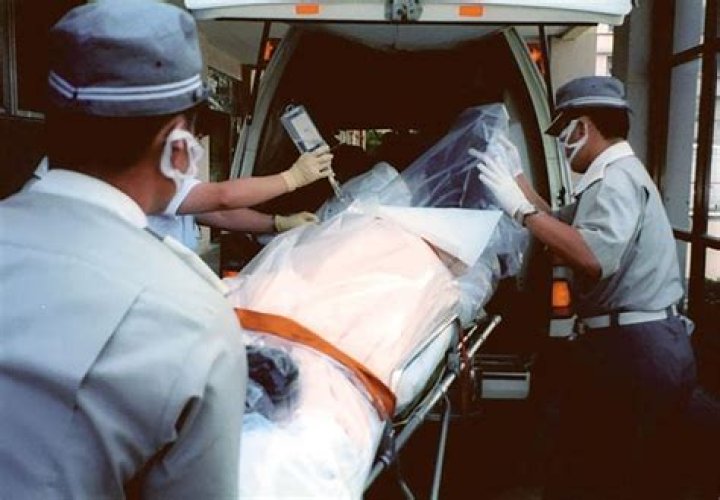
The story of Hisashi Ouchi is one that resonates deeply within the realms of science, human resilience, and the devastating effects of radiation exposure. It serves as a harrowing reminder of the risks that come with working in high-stakes environments, particularly in the nuclear industry. Ouchi's tragic fate unfolded in a series of unfortunate events that not only impacted his life but also raised questions about safety protocols and emergency responses in nuclear facilities.
Hisashi Ouchi was a dedicated nuclear worker who became a victim of a catastrophic accident at the Tokaimura nuclear facility in Japan in 1999. This incident is often referred to as one of the most severe nuclear accidents in history, resulting in Ouchi suffering from acute radiation syndrome. His story has become synonymous with the discussion surrounding nuclear safety, workers' rights, and the ethical implications of scientific progress. As we delve deeper into his life, we will explore not only the events that led to his tragic demise but also the broader implications of such accidents on society and the industry as a whole.
As we recount the Hisashi Ouchi story, it is essential to remember the human element behind the statistics and headlines. Ouchi was not just a victim of a workplace accident; he was a son, a colleague, and a passionate worker who contributed to the field of nuclear energy. In doing so, we hope to shed light on the importance of workplace safety and the need for stringent regulations to prevent such tragedies from occurring in the future.
What Happened to Hisashi Ouchi?
On September 30, 1999, a criticality accident occurred at the Tokaimura nuclear facility when workers improperly mixed uranium fuel, leading to an uncontrolled nuclear chain reaction. Hisashi Ouchi was one of the workers present during this incident. As a result of this mistake, he was exposed to an enormous dose of radiation, which would ultimately lead to his suffering and subsequent death. The accident not only affected Ouchi but also posed a significant risk to the surrounding community.
Who Was Hisashi Ouchi?
| Detail | Information |
|---|---|
| Name | Hisashi Ouchi |
| Date of Birth | March 30, 1960 |
| Nationality | Japanese |
| Profession | Nuclear worker |
| Accident Date | September 30, 1999 |
| Date of Death | December 21, 1999 |
What Were the Consequences of the Accident?
The consequences of the Tokaimura accident were extensive, affecting not only Hisashi Ouchi but also the entire nuclear industry in Japan. Following the incident, Ouchi was hospitalized and underwent numerous treatments for his radiation exposure. Unfortunately, despite the best efforts of medical professionals, he succumbed to the effects of radiation poisoning on December 21, 1999, just a few months after the accident.
The accident prompted widespread public outcry and led to increased scrutiny of safety protocols within nuclear facilities. The Japanese government initiated investigations to determine the causes of the accident, resulting in stricter regulations and guidelines aimed at preventing similar incidents in the future.
How Did Hisashi Ouchi’s Story Influence Nuclear Safety Regulations?
Hisashi Ouchi's story highlighted the critical need for enhanced safety measures within the nuclear industry. In the aftermath of the Tokaimura accident, regulatory bodies around the world reassessed their safety protocols. Some key changes included:
- Implementation of more rigorous training programs for nuclear workers.
- Increased monitoring and reviewing of operational procedures.
- Strengthening of emergency response protocols.
- Greater transparency in reporting safety incidents to the public.
These measures aimed to ensure that the safety of workers and the community remains a top priority, thus preventing another tragedy like that of Hisashi Ouchi.
What Is the Legacy of Hisashi Ouchi?
Hisashi Ouchi's legacy is one of caution and awareness. His story serves as a reminder of the real human costs associated with technological advancements, particularly in high-risk industries. The incident at the Tokaimura facility underscored the importance of safety and the ethical responsibility that comes with working in the nuclear sector.
Furthermore, Ouchi's plight brought attention to the need for improved healthcare and support for victims of workplace accidents. His story continues to resonate with workers' rights advocates, pushing for better safety measures and accountability within hazardous industries.
How Can We Prevent Future Accidents Like Hisashi Ouchi’s?
The tragic story of Hisashi Ouchi underscores the importance of proactive measures in preventing workplace accidents. Here are some recommendations to enhance safety in the nuclear industry:
- Regular audits and assessments of safety protocols to identify potential weaknesses.
- Encouraging a culture of safety where workers feel empowered to report unsafe practices without fear of retaliation.
- Investing in technology that monitors radiation levels in real-time to protect workers.
- Continuous education and training programs to keep workers informed about safety standards and emergency procedures.
What Can We Learn from the Hisashi Ouchi Story?
The Hisashi Ouchi story serves as a powerful lesson in the importance of safety, ethics, and human dignity in the workplace. It highlights the need for ongoing vigilance and the commitment to creating safer work environments. As we continue to advance in technology and harness its potential, we must never lose sight of the fundamental value of human life and the responsibility we hold to protect those who contribute to our progress.
In conclusion, Hisashi Ouchi's story is not just a tale of tragedy but also a call to action for industries around the world. By learning from past mistakes and prioritizing safety, we can honor his memory and work towards a future where such incidents are a thing of the past.
Unraveling The Mystery Of Aubrey Wyatt Rope
Discovering The Talents Of Zachary La Voy: A Rising Star In Acting
The Inspiring Journey Of The Mother Of Lamine Yamal