Unveiling The Life Through Hasashi Ouchi Photos
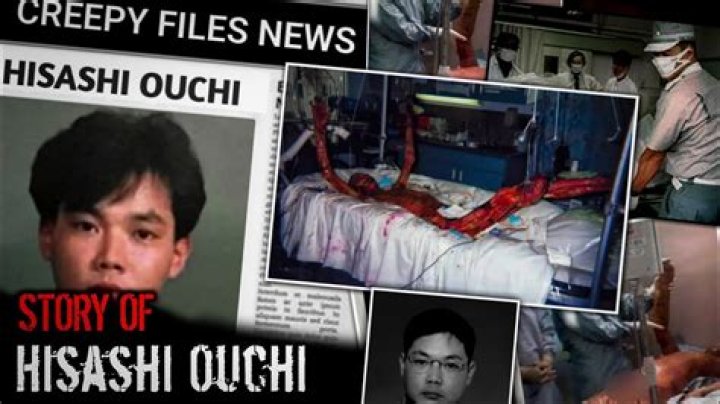
Hasashi Ouchi is a name that resonates deeply within the realms of history and tragedy. His life, though cut short, has left an indelible mark on the world, primarily due to the catastrophic events that befell him. Through the lens of photography, we can glimpse not only the man he was but also the harrowing circumstances that surrounded his demise. The "hasashi ouchi photo" phenomenon has captivated many, sparking discussions about the ethics of sharing such profound imagery while simultaneously highlighting his legacy and the lessons learned from his story.
As we delve deeper into the life of Hasashi Ouchi, we find a tale filled with both ambition and despair. Born in Japan, Ouchi lived a life that was tragically altered by an accident involving a nuclear reactor, leading to severe radiation exposure. The photos taken during this time serve as grim reminders of the reality of nuclear safety and the human cost of industrial accidents. They offer a perspective that is often overlooked in discussions about technology and safety, urging society to remember the individuals affected by such disasters.
While the "hasashi ouchi photo" serves as a visual representation of his struggle, it also evokes a broader conversation about the implications of nuclear energy, workplace safety, and the responsibility of corporations. In this article, we will explore various aspects of Hasashi Ouchi’s life, his biography, and the impact of his story on the world today. Join us as we uncover the memories captured in photographs and the lessons they impart.
Who Was Hasashi Ouchi?
Hasashi Ouchi was a Japanese nuclear worker who became infamous after a tragic accident at the Tokaimura nuclear facility in Japan in September 1999. This incident was marked by a criticality accident, where a chain reaction occurred due to a mishandling of nuclear material, resulting in severe radiation exposure to Ouchi and two other workers. The aftereffects of this incident not only led to Ouchi's prolonged suffering but also sparked widespread discussions about nuclear safety regulations in Japan.
What Are the Key Events in Hasashi Ouchi's Life?
Ouchi's life was shaped by various key events, particularly his work at the nuclear facility. Here are some significant milestones:
- Born in 1965 in Japan
- Joined the Tokaimura nuclear facility as a worker
- Involved in the criticality accident on September 30, 1999
- Underwent extensive medical treatment for radiation exposure
- Passed away on December 21, 1999, after 83 days of suffering
What Impact Did the Accident Have on Hasashi Ouchi's Life?
The accident drastically altered the course of Ouchi's life. Following the incident, he experienced severe health complications due to radiation poisoning, which included extensive burns, organ failure, and a significant decline in his quality of life. The photos taken during his hospitalization depicted the grim reality of his condition, showcasing the physical and emotional toll of such a tragedy. These images sparked outrage and concern about nuclear safety protocols, leading to changes in regulations within the industry.
What Do Hasashi Ouchi Photos Represent?
The "hasashi ouchi photo" captures a moment in time that conveys both vulnerability and resilience. These images serve as a stark reminder of the consequences of human error in high-stakes environments. They evoke strong emotions and compel society to reconsider the implications of nuclear energy. The photos have become symbolic, representing the human cost of technological advancements and the importance of stringent safety measures to prevent such tragedies from occurring in the future.
How Did the Public React to the Hasashi Ouchi Photos?
The public reaction to the "hasashi ouchi photo" was mixed. Many expressed deep sympathy and outrage at the suffering he endured. The images ignited debates about the ethical implications of sharing graphic photos of individuals in distress, particularly in the context of industrial accidents. Some believed that these photos should be used as educational tools to raise awareness about nuclear safety, while others argued that they were exploitative and should be treated with sensitivity.
What Lessons Can Be Learned from Hasashi Ouchi's Story?
Ouchi's tragic story serves as a powerful lesson in several areas:
- Nuclear Safety: His accident highlighted the need for rigorous safety standards in nuclear facilities.
- Corporate Responsibility: Companies must prioritize the well-being of their employees and implement effective safety protocols.
- Public Awareness: The dissemination of information regarding the risks associated with nuclear energy is crucial for informed decision-making.
- Human Impact: The human cost of industrial accidents should never be overlooked or minimized.
What Is the Legacy of Hasashi Ouchi?
Hasashi Ouchi's legacy is one of caution, reflection, and change. His story has become a symbol of the need for vigilance in the face of technological advancement. The "hasashi ouchi photo" serves as a reminder to all of us about the fragility of life and the importance of ensuring that safety is always prioritized, particularly in hazardous industries. His life and untimely death have played a crucial role in shaping discussions around nuclear safety in Japan and beyond.
How Can We Honor Hasashi Ouchi's Memory?
Honoring Hasashi Ouchi's memory can take many forms:
- Advocacy: Support organizations that promote nuclear safety and worker rights.
- Education: Raise awareness about the risks associated with nuclear energy and the importance of safety protocols.
- Remembrance: Share his story and the lessons learned from his tragic accident to ensure that future generations are aware of the dangers.
Conclusion: The Enduring Significance of Hasashi Ouchi's Photos
The "hasashi ouchi photo" stands as a poignant testament to the consequences of negligence and the importance of safety in hazardous fields. Through exploring his life and the circumstances surrounding his tragic fate, we are reminded of our shared responsibility to uphold safety standards and protect human lives. As we reflect on Ouchi's legacy, let us ensure that the lessons learned from his story resonate for years to come.
Understanding The Tragic Loss: What Day Did Aubreigh Wyatt Take Her Life?
Jonny Harris Weight Loss: An Inspiring Transformation
Unveiling The Life Of Trent Alexander-Arnold's Sister