Unveiling The Mystery Behind Homelander's Real Name
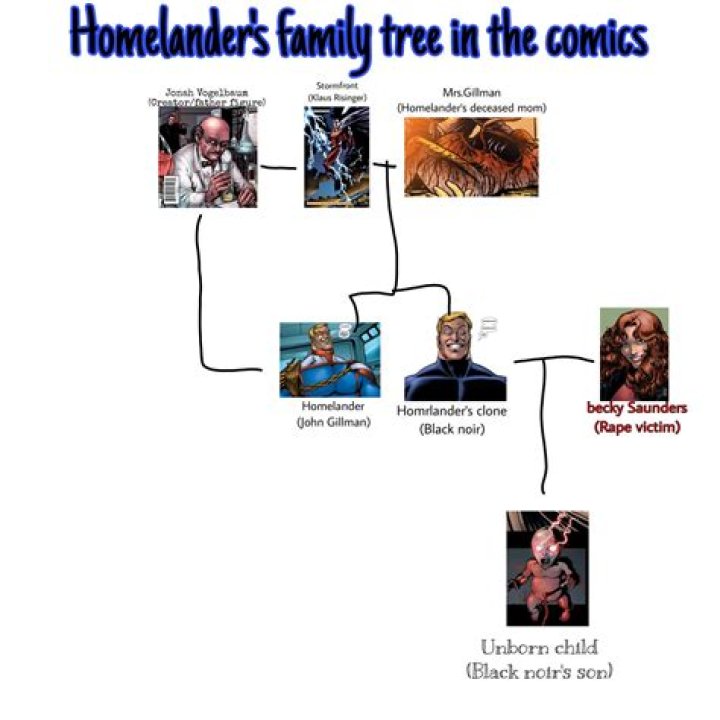
In the world of television and comic book adaptations, few characters have sparked as much intrigue and debate as Homelander from the Amazon Prime series "The Boys." This complex character, with his superhuman abilities and morally ambiguous nature, has captured the attention of audiences worldwide. Yet, amidst the discussions of his tyranny and heroism, one question remains ever-present: What is Homelander's real name? Understanding the identity behind this iconic figure is crucial for fans who wish to delve deeper into the narrative and character development of this compelling antagonist.
Homelander, with his striking blue eyes, blonde hair, and an emblematic suit, represents the epitome of a superhero in many ways. However, his actions often reveal a darker side, making him a fascinating character to analyze. As viewers explore the layers of his personality, they find themselves drawn not only to his powers but also to the enigma of his identity. This article aims to peel back the layers and reveal not just the real name of Homelander, but also the context and significance of this character within the larger narrative.
As we embark on this journey to uncover Homelander's real name, we will also explore his biography, personal life, and the impact he has on the story of "The Boys." By understanding the man behind the mask, fans can appreciate the intricacies of the series and the commentary it provides on power, corruption, and the nature of heroism.
What is Homelander's Real Name?
Homelander is a character portrayed by actor Antony Starr in the series "The Boys." His real name, as revealed in the comics and the show, is John / Billy Butcher. However, the name "Homelander" is a title he has adopted, embodying the ideals of a superhero while simultaneously subverting them. This duality creates a compelling character who oscillates between the archetype of a hero and that of a villain.
Biography of Homelander
| Detail | Information |
|---|---|
| Real Name | John / Billy Butcher |
| Portrayed By | Antony Starr |
| First Appearance | In the comic series "The Boys" (2006) |
| Affiliation | The Seven |
| Abilities | Super strength, flight, heat vision |
| Notable Traits | Charismatic, ruthless, manipulative |
How Did Homelander Become the Character We Know Today?
The transformation of Homelander into the character we see in "The Boys" has roots in both the comic series and the television adaptation. Originally created by Garth Ennis and Darick Robertson, Homelander was designed as a parody of traditional superheroes, embodying the flaws and excesses of the genre. The show expands on this concept, providing a more nuanced exploration of his backstory and motivations.
What Makes Homelander So Compelling?
Several factors contribute to Homelander's complexity as a character:
- Dual Nature: He represents both a hero and a villain, making him unpredictable.
- Psychological Depth: His backstory reveals a troubled childhood that informs his actions.
- Charisma: Despite his brutality, he possesses a magnetic charm that draws people to him.
- Social Commentary: Homelander embodies the critique of celebrity culture and the moral ambiguity of power.
What Are the Themes Surrounding Homelander's Character?
Homelander's character is steeped in various themes that resonate throughout "The Boys." These themes include:
- Power Corruption: His unchecked power leads to morally reprehensible actions.
- Identity and Image: Homelander's persona is meticulously crafted to maintain his status as a hero.
- The Nature of Heroism: The series challenges traditional notions of heroism, blurring the lines between good and evil.
- Manipulation and Control: Homelander's actions often reflect a desire for control over others.
How Does Homelander Compare to Other Characters in "The Boys"?
When comparing Homelander to other characters in "The Boys," it becomes clear that he stands out as a unique antagonist. Unlike characters like Billy Butcher, who operate outside the law but with a moral compass, Homelander's motivations are often self-serving. His relationships with other characters, such as Queen Maeve and Starlight, further illustrate his complexity and the impact he has on the narrative.
What is the Audience's Perception of Homelander?
Viewers of "The Boys" have varying perceptions of Homelander, often oscillating between admiration and revulsion. His charisma and power can be compelling, drawing audiences in, while his ruthless actions create a sense of horror. This duality makes him one of the most talked-about characters in contemporary television, prompting discussions about morality, power, and the nature of superheroes.
Conclusion: The Legacy of Homelander's Real Name
Homelander's real name, John / Billy Butcher, serves as a gateway to understanding the character's complexities and the themes presented in "The Boys." As audiences continue to engage with his story, they are challenged to reflect on the implications of power, identity, and heroism. The legacy of Homelander transcends mere entertainment, inviting viewers to ponder the deeper questions of morality and the human condition. In a world where the line between hero and villain is increasingly blurred, Homelander stands as a testament to the intricate storytelling that captivates audiences and sparks meaningful conversations.
Unraveling The Mystery: What Happened To Aubrey Wyatt?
Unveiling The Mystery: Is Lilli Kay Female?
Exploring The Enigmatic World Of Xxbritiss Sophie Rain