Unveiling The Tragic Journey: Hisashi Ouchi's Picture After Radiation
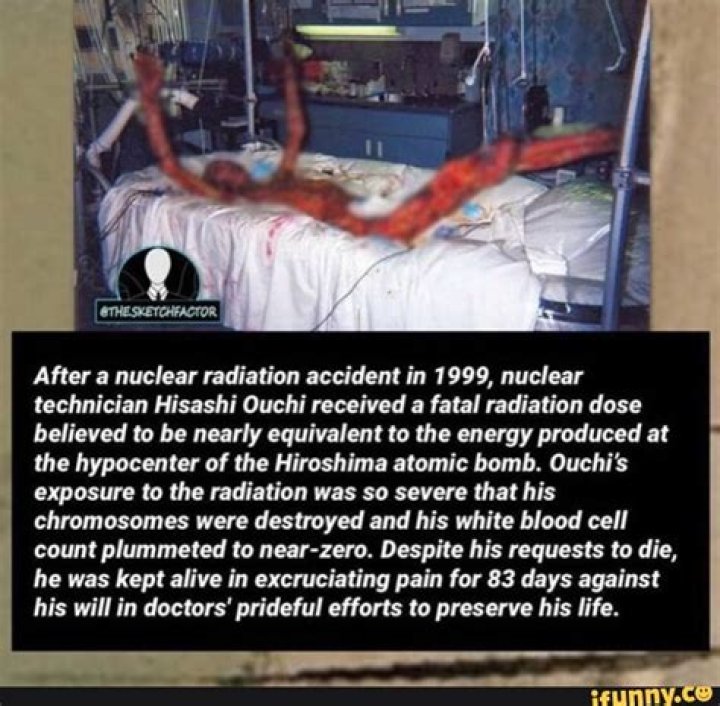
Hisashi Ouchi's story is one of resilience and tragedy, encapsulated in a haunting image that continues to evoke deep emotions and reflections on the human condition. A victim of one of the most catastrophic nuclear accidents in history, Ouchi's experience serves as a stark reminder of the dangers associated with radiation exposure and the fragility of life. The picture of Hisashi Ouchi after radiation is not merely a snapshot; it is a poignant testament to the consequences of human error and the struggle for survival.
On September 30, 1999, at the Tokaimura nuclear facility in Japan, a criticality accident occurred, leading to an unprecedented release of radiation. Hisashi Ouchi, an employee at the facility, was severely affected, suffering from acute radiation syndrome. His plight captivated not only the nation but the world, as the aftermath of his exposure unfolded in a series of tragic events. The image of Ouchi post-accident is a visual representation of the toll taken by radiation on the human body, sparking discussions surrounding safety protocols, medical ethics, and the limits of human endurance.
As we delve deeper into Hisashi Ouchi's life, the circumstances surrounding the accident, and the impact of his story, it becomes clear that this is not just about a single individual; it’s about the broader implications of nuclear energy and the responsibilities that come with it. The picture of Hisashi Ouchi after radiation serves as a haunting reminder of the need for vigilance and accountability in the pursuit of technological advancement.
Who Was Hisashi Ouchi?
Hisashi Ouchi was a Japanese nuclear plant worker whose life took a tragic turn due to a catastrophic nuclear accident. His dedication to his job at the Tokaimura nuclear facility ultimately led to his suffering and a public outcry regarding nuclear safety. Hisashi was just 35 years old at the time of the incident, and his life story has become emblematic of the dangers associated with nuclear power.
What Happened During the Tokaimura Nuclear Accident?
The Tokaimura nuclear accident occurred on September 30, 1999, when workers at the Tokaimura facility improperly mixed uranium fuel, leading to a criticality accident. This mistake resulted in a massive uncontrolled nuclear chain reaction that released high levels of radiation into the environment. Ouchi, along with two other workers, was exposed to lethal doses of radiation, leading to severe health consequences.
What Were the Immediate Effects of Radiation on Hisashi Ouchi?
Following the accident, Hisashi Ouchi exhibited severe symptoms of acute radiation syndrome. His condition rapidly deteriorated, leading to a series of painful and traumatic experiences. The immediate effects included:
- Severe burns and skin lesions
- Hair loss and immune system failure
- Internal bleeding and organ failure
- Neurological damage and cognitive dysfunction
What Do We Know About Hisashi Ouchi's Medical Treatment?
Ouchi was hospitalized at the University of Tokyo Hospital, where he received intensive medical care. Despite the best efforts of medical professionals, his prognosis was grim. The treatment included:
- Bone marrow transplants
- Blood transfusions
- Pain management and palliative care
Throughout his treatment, Ouchi's condition remained critical, and he endured unimaginable suffering. The medical team faced ethical dilemmas regarding the extent of treatment, given the severe damage caused by radiation exposure.
How Did Hisashi Ouchi's Story Impact Nuclear Safety Regulations?
The tragedy of Hisashi Ouchi prompted widespread scrutiny of nuclear safety protocols in Japan and around the world. In the aftermath of the Tokaimura accident, several key changes were implemented, including:
- Stricter safety regulations for nuclear facilities
- Enhanced training for nuclear workers
- Increased transparency and public awareness regarding nuclear safety
What Is the Legacy of Hisashi Ouchi's Picture After Radiation?
The picture of Hisashi Ouchi after radiation has become a symbol of the human cost of nuclear energy. It serves as a reminder of the fragility of life and the importance of safety in the nuclear industry. Ouchi's story has been documented in various media forms, raising awareness about radiation exposure and its devastating effects on the human body.
What Can We Learn from Hisashi Ouchi's Experience?
Hisashi Ouchi's experience offers profound lessons on the intersection of technology and ethics. Key takeaways include:
- The necessity for rigorous safety protocols in high-risk industries
- The importance of transparency in addressing accidents and their consequences
- The need for ongoing public dialogue about the risks and benefits of nuclear energy
In conclusion, the story of Hisashi Ouchi is a tragic yet important chapter in the history of nuclear energy. His picture after radiation remains a powerful reminder of the human cost of technological advancement and the need for vigilance in ensuring safety. As we reflect on his legacy, may we strive for a future where such tragedies are prevented through responsible practices and ethical considerations in all technological pursuits.
Unveiling Camilla Araujo Leakes: The Rise Of A Star
Unveiling The Mystery: Who Is Joe Wilkinson Married To?
Unmasking The Allure Of Sophie Rain: The Red Spiderman Sensation