What Happened To Hisashi Ouchi: A Tragic Tale Of Nuclear Disaster
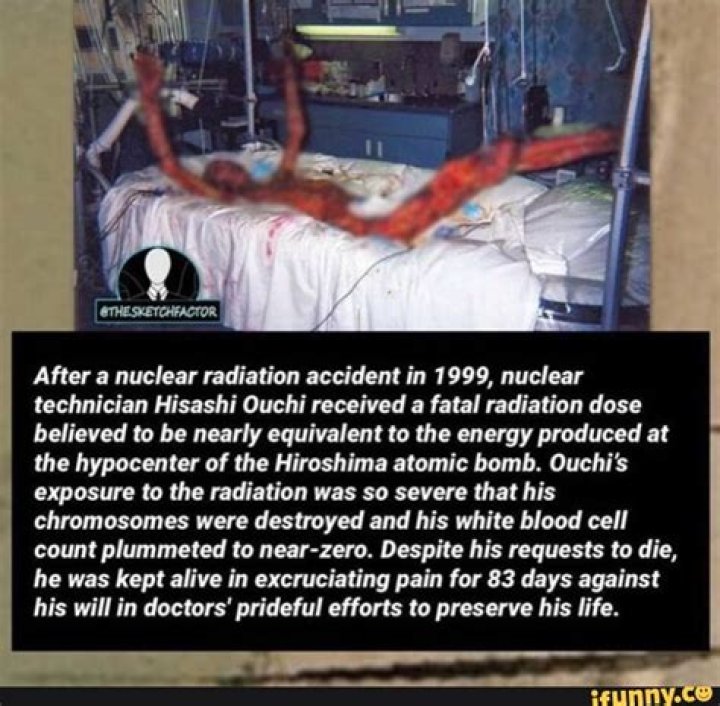
The story of Hisashi Ouchi is one that resonates deeply within the annals of nuclear history. A victim of one of the most catastrophic accidents in the nuclear industry, Ouchi's fate serves as a stark reminder of the consequences of human error and the inherent risks associated with nuclear energy. His life and subsequent suffering have sparked debates about safety protocols and the ethical implications of nuclear power. Understanding what happened to Hisashi Ouchi not only sheds light on a tragic event but also underscores the vital need for stringent safety measures in hazardous industries.
Hisashi Ouchi was a dedicated worker at the Tokaimura nuclear facility in Japan. On September 30, 1999, a criticality accident occurred during the improper handling of nuclear fuel. This incident led to a massive release of radiation, exposing Ouchi and two other workers to lethal doses. The aftermath of this tragic event reveals a harrowing tale of medical struggles, ethical dilemmas, and lessons learned in the wake of disaster. As we delve deeper into the life of Hisashi Ouchi, we will uncover the details surrounding this unfortunate incident and its lasting impact on nuclear safety regulations.
In a world where nuclear energy is both a powerful source of electricity and a potential hazard, the case of Hisashi Ouchi serves as a pivotal point of discussion. The implications of his story extend beyond just one individual; they encompass the safety of workers, the technological advancements in nuclear energy, and the necessity for stringent regulations. Join us as we explore what happened to Hisashi Ouchi, the events leading up to the accident, and the broader ramifications of this tragic incident.
Who Was Hisashi Ouchi?
Hisashi Ouchi was born in 1965 in the city of Ibaraki, Japan. He was known to be a diligent worker who dedicated his life to the nuclear industry, believing in the potential of nuclear energy to power the world. Hisashi was a trained technician at the JCO (Japan Nuclear Fuel Conversion Co.) facility in Tokaimura, where he worked with highly enriched uranium. His passion for his work, however, would lead him to a tragic fate.
Hisashi Ouchi's Biography
| Attribute | Details |
|---|---|
| Name | Hisashi Ouchi |
| Birth Year | 1965 |
| Occupation | Nuclear technician |
| Place of Work | JCO Tokaimura Nuclear Facility |
| Accident Date | September 30, 1999 |
| Fatal Exposure | Over 17 sieverts of radiation |
| Death Date | December 21, 1999 |
What Happened During the Tokaimura Nuclear Accident?
The Tokaimura nuclear accident was a pivotal moment in Japan's history, occurring on September 30, 1999. During a routine operation involving the conversion of uranium, a criticality accident took place due to a series of procedural errors and a lack of safety protocols. Ouchi and his colleagues were handling a dangerous substance, and in their haste, they bypassed safety measures that would have prevented the criticality incident.
As a result, a massive surge of neutron radiation was released, exposing Ouchi and two other workers to dangerously high doses of radiation. The accident not only caused immediate harm but also set off alarms regarding the safety protocols in place at nuclear facilities across Japan and the world. What happened to Hisashi Ouchi that day would forever change his life and ignite discussions about nuclear safety.
How Did Hisashi Ouchi Suffer After the Accident?
After the accident, Hisashi Ouchi was rushed to the hospital, where he was treated for severe radiation poisoning. His condition was dire, with reports indicating that he had absorbed over 17 sieverts of radiation—far beyond the lethal dose. The medical team faced an uphill battle as they attempted to manage his symptoms, which included extensive burns, organ failure, and other complications stemming from the radiation exposure. Ouchi's suffering was profound, and the medical community struggled to provide adequate care given the unprecedented nature of his injuries.
What Medical Treatments Were Attempted for Ouchi?
The medical response to Hisashi Ouchi's condition was extensive and innovative, as doctors sought to mitigate the effects of radiation poisoning. Key treatments included:
- Administration of fluids to combat dehydration
- Supportive care for organ function
- Use of experimental medications aimed at counteracting radiation effects
- Blood transfusions to manage severe anemia
- Skin grafts to treat radiation burns
Despite the efforts of the medical team, Ouchi's condition continued to deteriorate, leading to a prolonged and painful hospitalization. His situation garnered significant media attention and raised questions about the ethical implications of his treatment, including whether he was subjected to experimental procedures without proper consent.
What Were the Ethical Implications of Hisashi Ouchi's Treatment?
The treatment of Hisashi Ouchi raised several ethical concerns, particularly regarding the experimental nature of the medical interventions he received. As his condition worsened, doctors resorted to untested and experimental treatments in a desperate attempt to save his life. This led to debates over the morality of using a patient in such a dire situation as a subject for experimental procedures.
Family members and advocates questioned whether Ouchi had provided informed consent for such treatments, given his critical condition. The broader implications of his case led to discussions about patient rights, the responsibility of medical professionals, and the need for clear ethical guidelines in treating victims of industrial accidents.
What Happened to Hisashi Ouchi After the Accident?
Despite the immense efforts to save him, Hisashi Ouchi succumbed to his injuries on December 21, 1999, nearly three months after the accident. His death was a tragic culmination of the events that transpired at the Tokaimura facility, highlighting the dire consequences of inadequate safety measures in the nuclear industry. Ouchi's passing sparked widespread public outcry and renewed scrutiny of nuclear safety protocols in Japan and beyond.
What Impact Did Hisashi Ouchi's Case Have on Nuclear Safety Regulations?
The tragic story of Hisashi Ouchi did not end with his death; it served as a catalyst for significant changes in nuclear safety regulations. Following the incident, the Japanese government took immediate action to review and overhaul safety protocols in nuclear facilities across the country. Key changes included:
- Implementation of stricter safety guidelines and protocols
- Increased training and education for nuclear facility workers
- Establishment of a regulatory framework to ensure compliance with safety standards
- Greater transparency in reporting accidents and incidents at nuclear facilities
Hisashi Ouchi's case remains a poignant reminder of the importance of safety in the nuclear industry. His legacy continues to influence discussions around nuclear energy, risk management, and the ethical responsibilities of those working in hazardous environments.
How is Hisashi Ouchi Remembered Today?
Today, Hisashi Ouchi is remembered not only as a victim of a tragic accident but also as a symbol of the need for accountability and safety in the nuclear industry. His story has been featured in documentaries, articles, and discussions surrounding nuclear safety. The lessons learned from the Tokaimura accident continue to resonate, reminding policymakers, industry leaders, and the public of the critical importance of safety in all aspects of nuclear energy production.
In conclusion, the question of "what happened to Hisashi Ouchi" serves as a gateway into understanding the ramifications of the Tokaimura nuclear accident. His life, suffering, and untimely death have left an indelible mark on the nuclear industry, shaping policies and practices to ensure such a tragedy does not occur again. As we reflect on his story, we must remain vigilant in advocating for safety and accountability in all industries that pose risks to human life.
Unveiling The Mystery Behind Hisachi Ouchi
Exploring Chad Kroeger's Family Life: Does He Have Kids?
Unraveling The Tragic Story Of Hasashi Ouchi